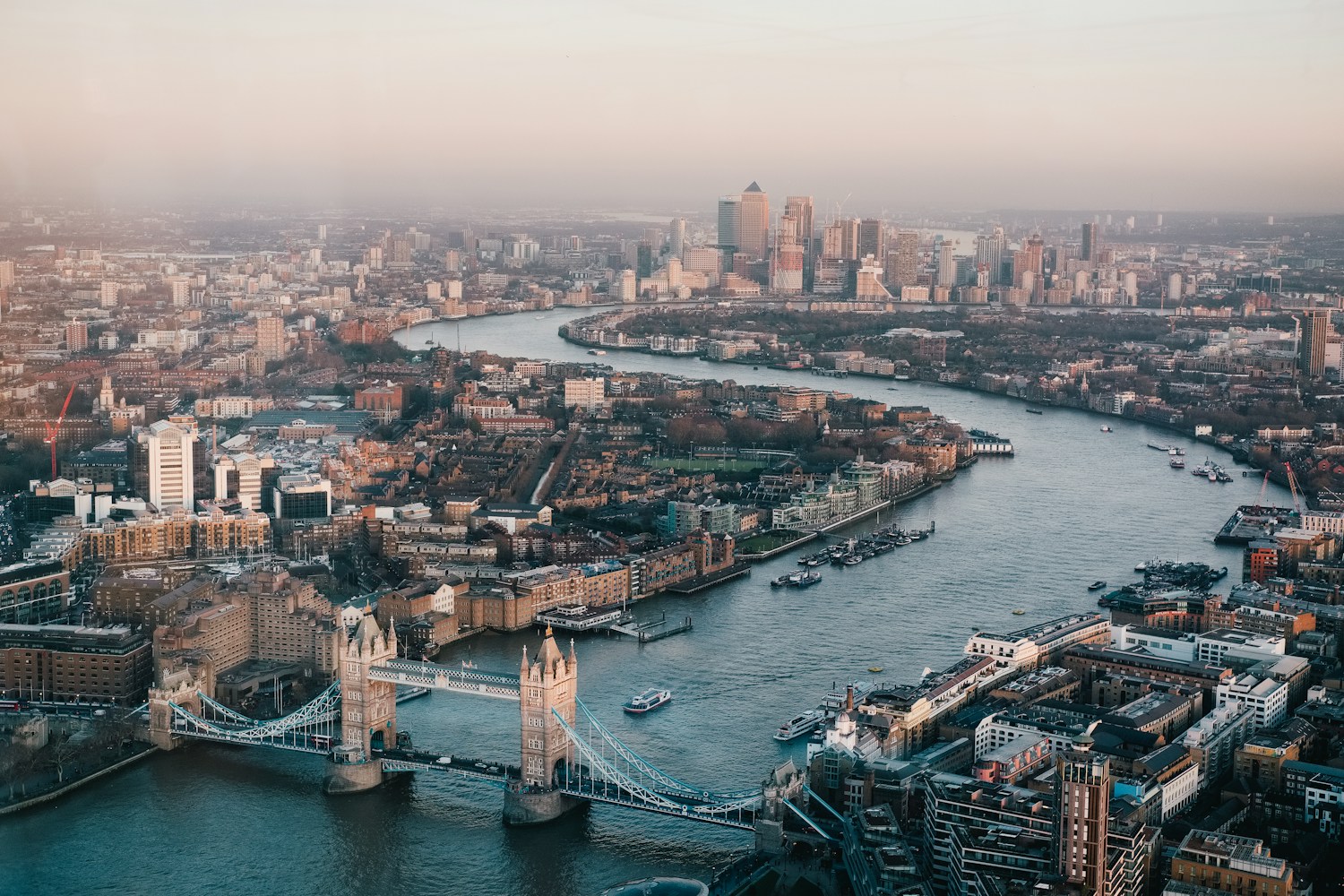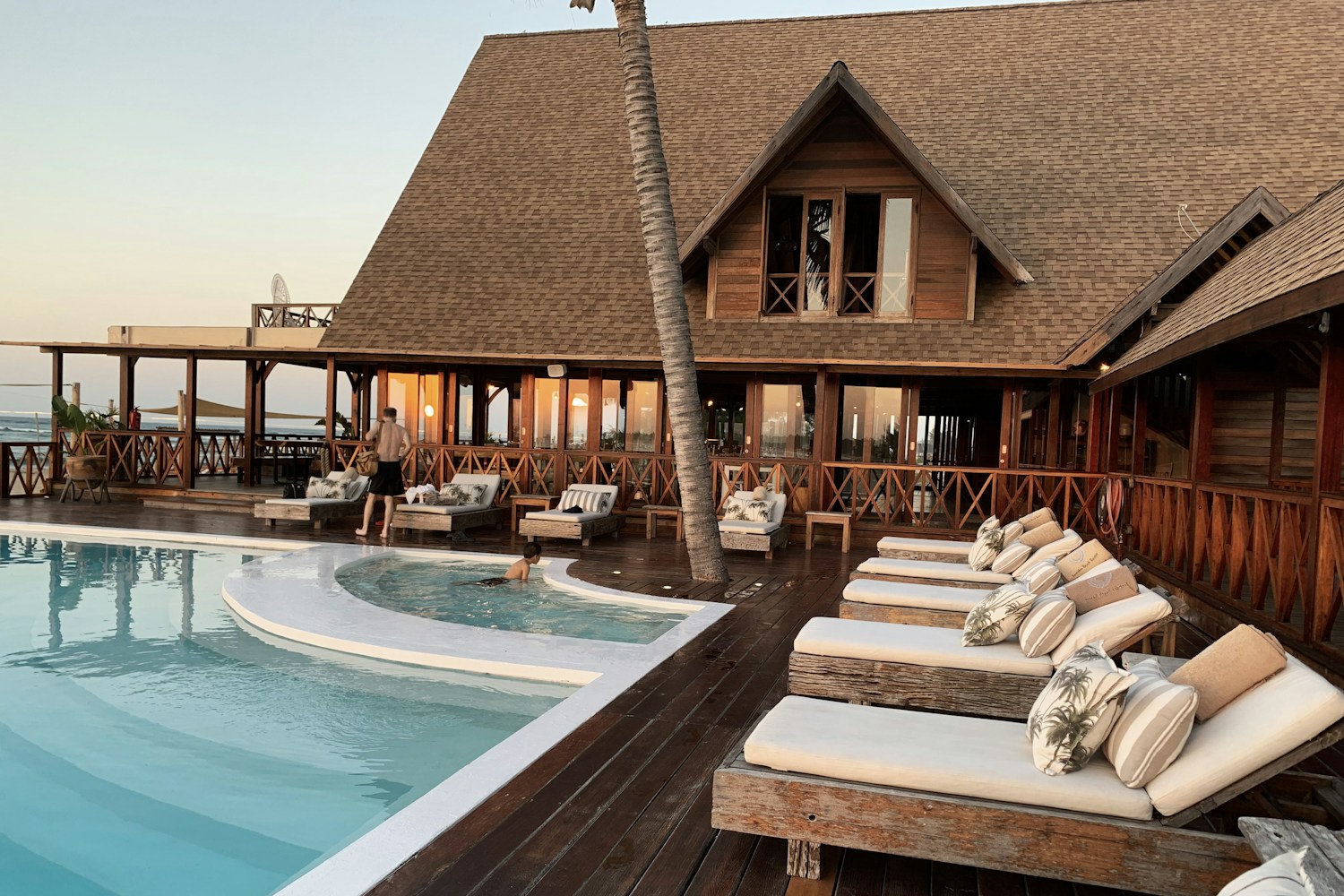
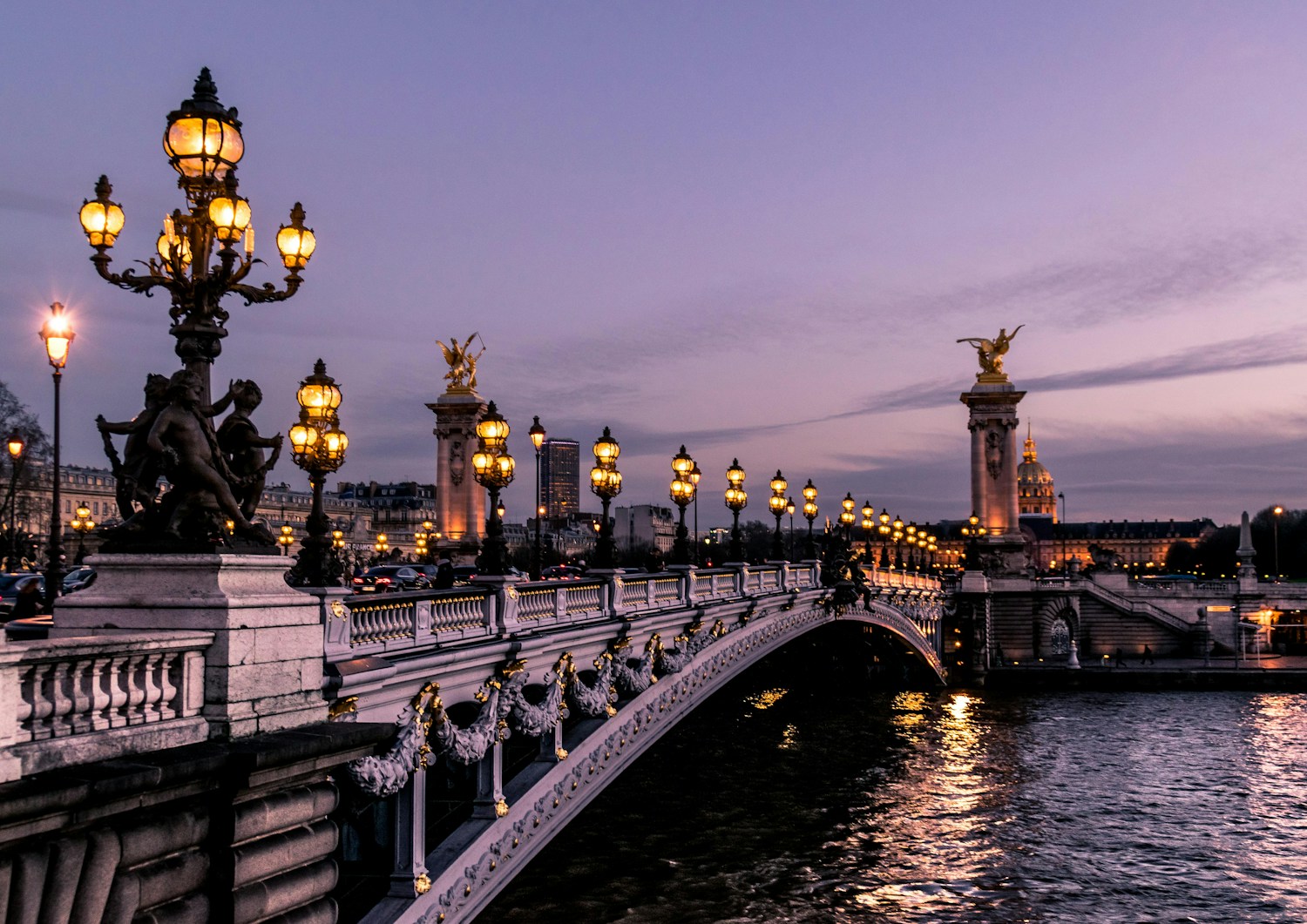
A slower city break starts with a smaller map, a comfortable pair of shoes and room to change your mind.
Start with the journey
A short trip does not have to become a race between famous sights. Choose a neighbourhood that interests you, then let a cafe, a market and a riverside walk give the day its shape. Looking at less can make it easier to notice the details that make a place different.
Start by marking your accommodation, arrival station and one place you genuinely want to visit. Check the walking distances rather than trusting a map that makes the entire city look close together. Keep a public transport option for the journey home, especially after dark.
The details that matter
Plan one booked activity per day rather than filling every hour. A museum slot or a guided walk gives the day an anchor; leave the space around it open. Opening hours, entry rules and prices should always be checked on the venue website before travelling.
Wear shoes you already know are comfortable. A lightweight layer and a small bag are more useful than a collection of things carried just in case. Take water where permitted and stop before tired feet turn a pleasant afternoon into a forced march.
Before you go
A neighbourhood is also somewhere people live. Respect residential doorways, ask before photographing people closely and follow local access signs. Choose ordinary public streets rather than treating private courtyards or working shops as photo sets.
At the end of the day, write down the place you would return to, not the number of attractions you completed. A small personal route is often a more useful souvenir than an ambitious checklist. Leave one corner unexplored for another visit.
Travel details can change. Confirm current arrangements with the relevant provider. Images are illustrative; this is a planning guide, not a first-hand review.
Our editorial and affiliate disclosure