
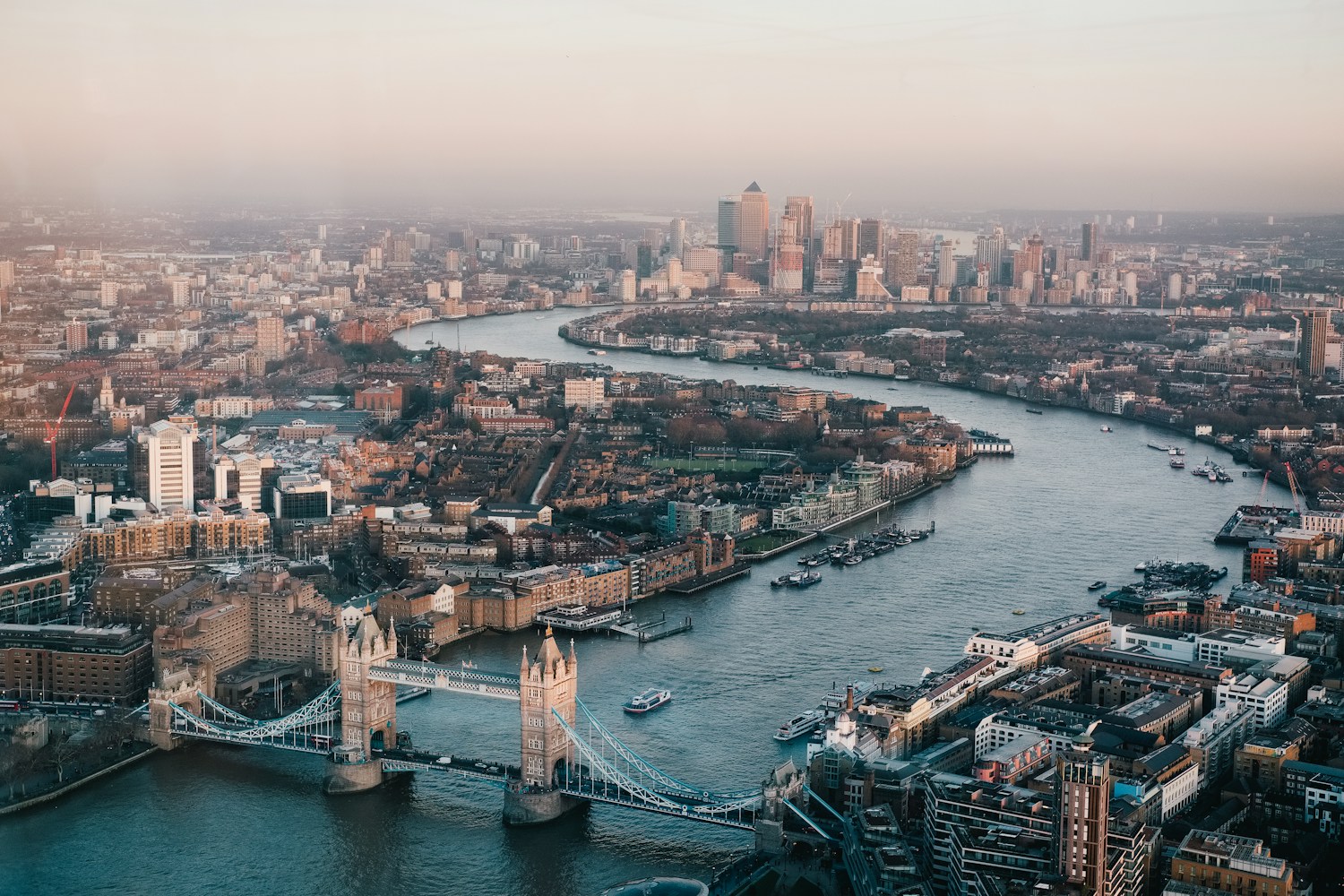
Build a short break around a neighbourhood rather than a list of landmarks.
Start with the journey
For a two-night trip, the first decision is how much time you actually have. Include travel to the station or airport, check-in and the return journey. A destination that looks convenient on a route map may leave only one full day on the ground.
Choose accommodation after deciding which part of the city you want to explore. Compare door-to-door journeys, not simply distance to the centre. A room beside a useful transport stop can work better than a cheaper one with an awkward late-night connection.
The details that matter
Divide your plan into one essential booking, a few optional stops and genuine spare time. Put nearby activities together. Avoid buying tickets for separate attractions with tightly spaced entry slots that depend on traffic or unfamiliar transport.
Make a wet-weather version before you leave. It can be as simple as a gallery, a covered market and a longer lunch. Check opening days and reservation policies with the venues, because a weekend timetable is not always the same as a weekday one.
Before you go
Keep arrival evening modest. A local meal and a short walk are enough after a long journey. For the final morning, choose something near the accommodation or departure point so you are not carrying luggage through an ambitious route.
Allow the trip to have its own pace. Repeating a favourite coffee stop or sitting somewhere for a while is part of travelling, not a failure to use the time. The best plan makes those decisions easy rather than making every change feel expensive.
Travel details can change. Confirm current arrangements with the relevant provider. Images are illustrative; this is a planning guide, not a first-hand review.
Our editorial and affiliate disclosure