Hotel Deposit Versus Prepayment
A practical step-by-step guide to hotel deposit versus prepayment, including preparation, instructions, common issues, tips, and next steps.
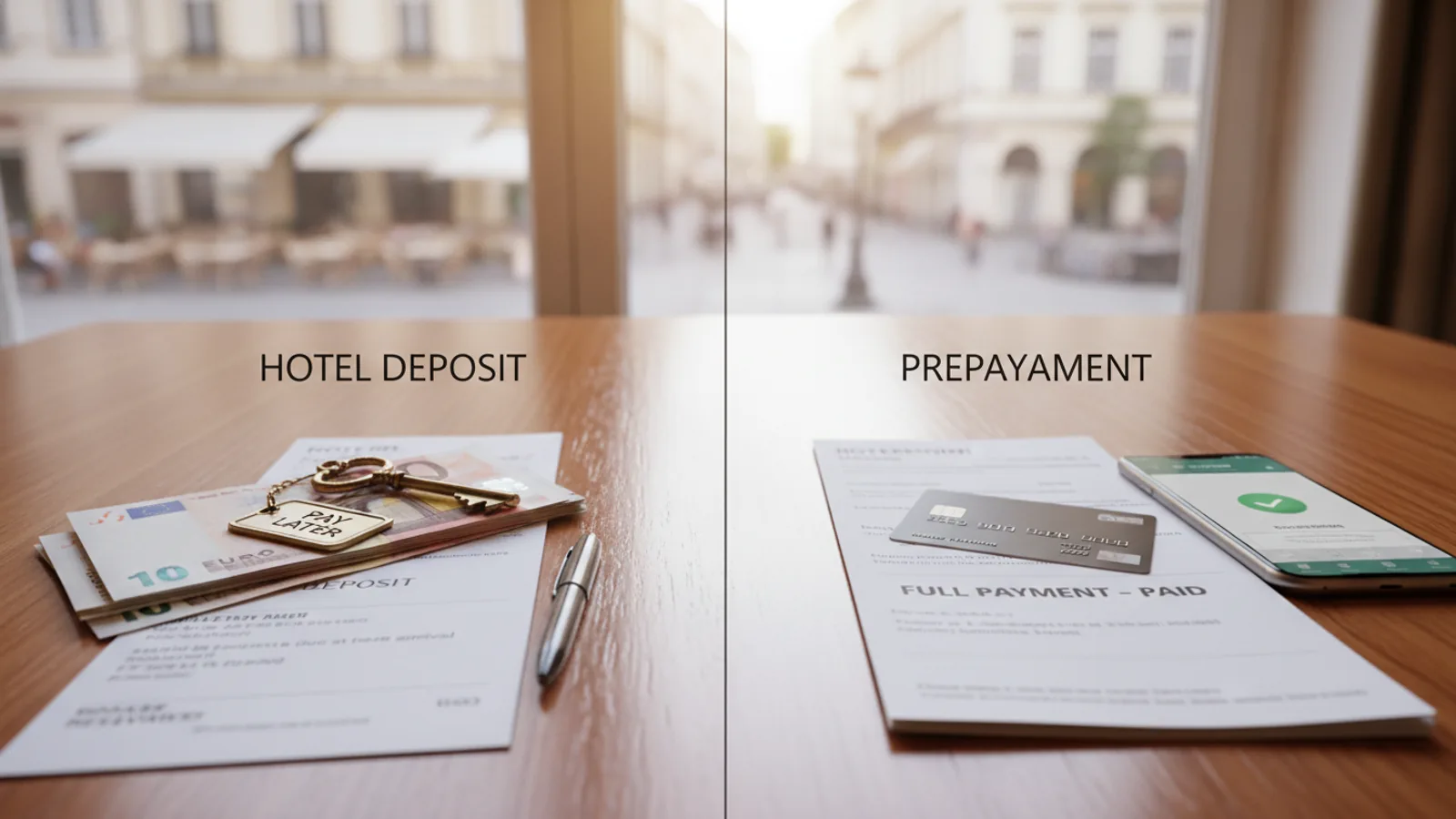
Hotel Deposit Versus Prepayment
Understanding the difference between a hotel deposit and a prepayment is essential for managing your travel budget and avoiding surprises at check-in. A deposit is a refundable hold placed on your payment method to cover potential incidentals, while a prepayment is an actual charge for your stay paid before arrival. This guide explains how each works, how to identify which policy applies to your reservation, and how to handle common situations calmly and confidently.
Fast Answer
- A deposit is a temporary hold that reduces your available balance and is released after checkout; a prepayment is a charge collected before you arrive.
- Prepayments usually lock in your rate and may be non-refundable, while deposits are typically refundable but can take days to be released.
Before You Start
- Gather your reservation confirmation email, your payment card statement, and any policy details the property sent you before you start reviewing charges.
- Write down the exact amount you were told would be held or charged, and note the date each transaction appeared on your statement.
- Prepare a short list of questions about incidentals, release timing, and cancellation terms so you can ask the front desk clearly at check-in.
- Set a reminder to check your account a few days after checkout so you can confirm that any deposit hold was released as expected.
Step-by-Step Instructions
Identify which charge applies to your stay
Start by opening your reservation confirmation and looking for words like deposit, prepayment, pay now, or pay at property. These labels tell you whether the property plans to hold funds temporarily or collect payment before you arrive. Next, compare that language with the transaction on your payment statement. A pending hold often appears with a slightly different descriptor than a final charge. If the confirmation is unclear, contact the property directly and ask whether your rate requires a prepayment or a deposit. Ask exactly when each amount will be collected and whether it is refundable. Write down the answers with the date and the name of the person who helped you. This check matters because mistaking a prepayment for a refundable hold can lead you to budget incorrectly and dispute a legitimate charge later.
Review the deposit hold on your payment account
Once you know a deposit hold applies, log in to your payment account and locate the pending transaction. Check the amount, the date it appeared, and the merchant name shown. A deposit hold is not a charge you have paid to the property; it is a temporary reduction in your available balance. Compare the hold amount with the incidentals estimate the property gave you. If the hold is larger than expected, call the property before check-in and ask why. Confirm whether the hold will be released automatically or whether you must request release. Also ask how long release usually takes for your payment method. Write down the reference number for the call. This check matters because a hold can block funds you need for other expenses during your trip, and knowing the release timeline helps you plan without stress.
Confirm prepayment terms before you travel
If your rate requires a prepayment, read the cancellation policy carefully before you accept the charge. Look for whether the prepayment is refundable, partially refundable, or non-refundable, and note the deadline for any free cancellation. Check whether the prepayment covers the full stay or only the first night. Then verify the amount on your statement matches the confirmation. If the property collected a prepayment and also plans a deposit at check-in, ask how the two interact. Some properties apply the prepayment to your final bill and still hold a separate deposit for incidentals. Ask for a written summary of what remains due at checkout. This check matters because prepayments often carry stricter refund rules, and understanding them before you travel prevents disputes if your plans change.
Handle check-in questions about holds and charges
At check-in, ask the front desk to explain any hold or charge they are placing on your payment method. Request the exact amount, whether it is a deposit or a prepayment, and when it will be released or applied. If a deposit hold is required, confirm what it covers, such as incidentals or potential damage. Ask whether the hold will be released automatically after checkout or whether you need to request it. If you already paid a prepayment, ask how it will appear on your final bill. Keep the answers brief and write them down. If the desk cannot confirm details, ask for a manager or a written summary. This check matters because check-in is your best chance to correct misunderstandings before they become posted charges that are harder to reverse later.
Monitor your account during your stay
While you are staying at the property, check your payment account every day or two. Look for new pending holds, posted charges, or unexpected amounts. If you see a charge you do not recognize, ask the front desk to explain it immediately rather than waiting until checkout. Keep a simple log of what you were told at check-in and what appears on your statement. If the property adds a second hold for incidentals, ask why and whether the first hold will be released. If you used a debit card, remember that holds can affect your available cash more directly than a credit card. This check matters because catching a duplicate hold or error early gives you time to resolve it while you are still at the property and can speak with staff in person.
Confirm release and final charges after checkout
After you check out, ask for a final bill that lists all charges and any deposit holds. Compare that bill with your payment statement over the next several days. A deposit hold should be released, while a prepayment should already be applied to your balance. If the hold remains after the release window the property told you about, call the property first and ask them to release it. If they confirm release but your account still shows the hold, contact your payment provider and provide the dates, amounts, and any reference numbers. Keep copies of your final bill and your statement. This check matters because deposit holds can linger due to processing delays, and following up promptly with clear records helps you get your funds released without unnecessary frustration.
Quick Reference
| Situation | Action | Why it helps |
|---|---|---|
| Your confirmation says a deposit is required at check-in. | Call the property before arrival and ask the exact hold amount, what it covers, and how many business days after checkout it is released. | Knowing the hold amount and release window lets you budget accurately and avoid assuming the hold is a final charge. |
| Your rate was prepaid and you also see a pending hold. | Ask the front desk whether the prepayment covers the full stay and whether the hold is only for incidentals that will be released after checkout. | This prevents double-counting the same stay in your budget and clarifies what remains due at checkout. |
| A deposit hold is still showing days after you checked out. | Call the property with your checkout date and ask them to confirm release, then contact your payment provider with the dates and amounts if it remains. | Release times vary by payment method, and a polite follow-up with records helps resolve lingering holds faster. |
Common Issues
- The deposit hold is larger than the incidentals estimate you were given.: Call the property before check-in and ask them to explain the hold amount and whether it includes an estimated damage or incidentals allowance. Ask if the hold can be reduced and get the answer in writing if possible.
- You cannot tell whether an amount is a prepayment or a deposit hold.: Compare the confirmation language with your payment statement. A prepayment usually posts as a charge, while a deposit hold often appears as pending. If it is still unclear, ask the property to confirm in writing which one applies and when it will be released or applied.
- The property says the hold was released but your account still shows it.: Ask the property for a release confirmation with a date and reference number. Then contact your payment provider, provide those details, and ask them to check the status of the hold on their side.
Advanced Tips
- Ask the property whether a deposit hold can be placed on a different payment method than the one used for prepayment, so your main spending account stays flexible.
- Request a written checkout summary that lists every hold and charge separately, then match each line to your statement before you file it away.
- If you travel often, keep a simple log of each property's deposit and prepayment practices so you can compare policies and ask better questions next time.
Final Checklist
- Confirm whether your reservation requires a deposit hold, a prepayment, or both, and note the exact amounts.
- Check your payment account before arrival to see any pending holds and compare them with what the property told you.
- At check-in, ask the front desk to explain each hold or charge and write down the release timeline.
- After checkout, compare your final bill with your statement and follow up promptly if a hold was not released.
FAQ
What is the main difference between a deposit and a prepayment?
A deposit is a temporary hold on your payment method that reduces your available balance but is not a final charge. A prepayment is an actual charge collected before your stay. Deposits are usually refundable after checkout, while prepayments often follow stricter cancellation rules and may be non-refundable.
How long does a deposit hold usually take to be released?
Release times vary by property and payment method, so ask the front desk for the specific timeline that applies to your stay. Some holds are released within a few business days after checkout, while others may take longer. If the hold remains after the timeframe you were given, call the property first and then your payment provider.
Can a property charge both a prepayment and a deposit?
Yes, some properties collect a prepayment for the room and still place a separate deposit hold for incidentals. Ask the front desk how the prepayment will be applied to your final bill and confirm what the deposit covers. Request a written summary so you can track each amount on your statement.