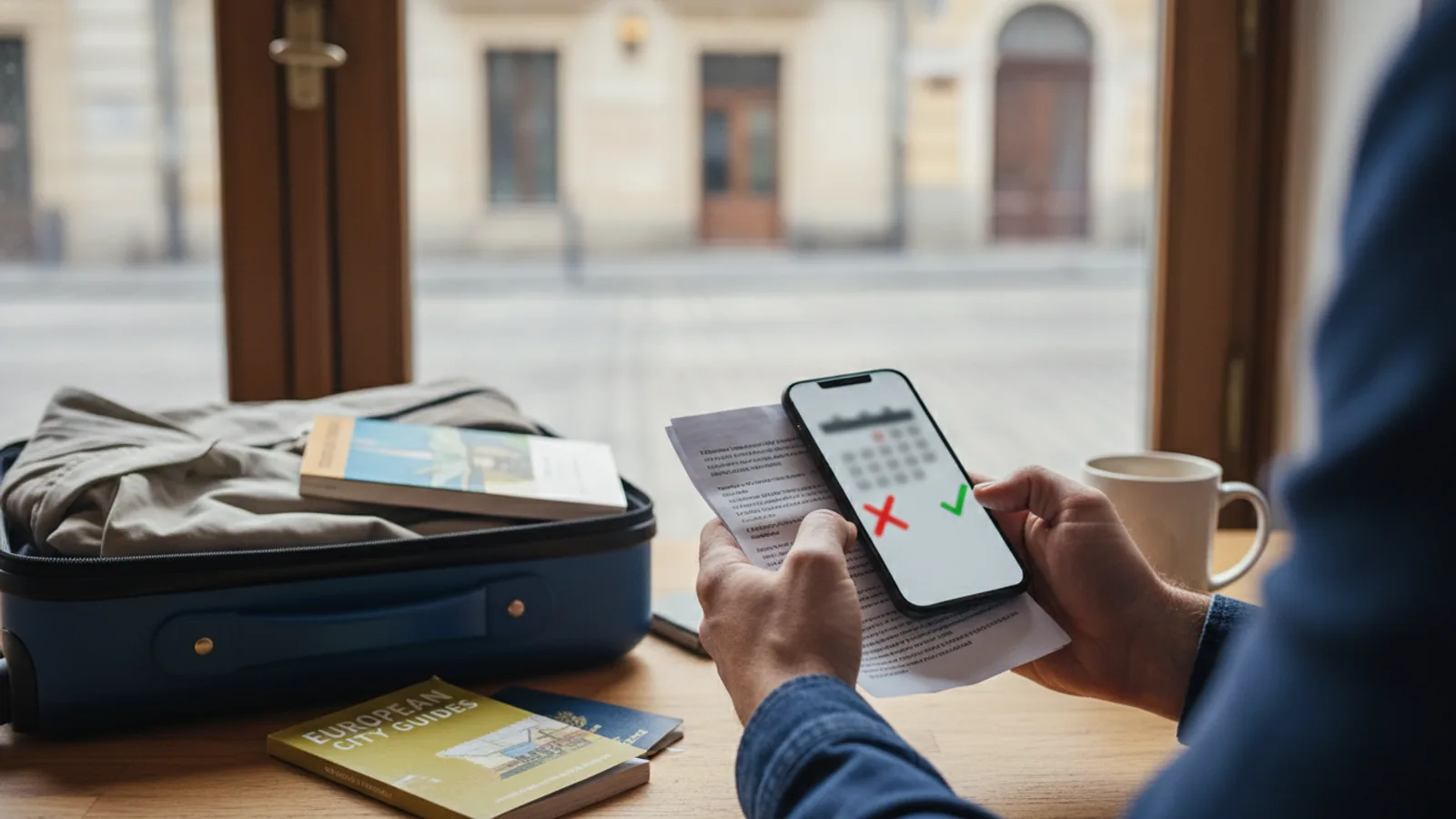
Lightweight Luggage Buying Guide
A practical step-by-step guide to lightweight luggage buying guide, including preparation, instructions, common issues, tips, and next steps.
Lightweight Luggage Buying Guide
This guide helps you choose lightweight luggage that is easy to carry and protects your belongings. You will learn how to compare materials, wheels, handles, and capacity without relying on brand names or prices. The steps focus on practical checks you can do in a store or with a delivered bag, so you can decide what works for your trip. By the end, you will have a clear method to test weight, durability, and comfort before you commit.
Fast Answer
- Aim for a bag that weighs less than a fifth of your total packed weight, so you can lift it overhead and walk a long distance without strain.
- Test the bag empty first: pick it up by the top handle and pull it on its wheels. If it tips or drags, the design may not suit your travel style.
Before You Start
- Measure your typical trip length and list the items you always pack, including shoes and a laptop, so you know the volume and shape you need.
- Gather a kitchen scale and a tape measure. You will use them to check empty weight, external dimensions, and how the bag fits your body.
- Decide your carrying priorities: will you mostly roll on smooth floors, lift into overhead bins, or walk on rough pavement? Each setting changes which features matter.
- Check the return policy and warranty terms in the seller's documentation before buying, because you may need to test the bag at home and send it back if it fails your checks.
Step-by-Step Instructions
Weigh the bag empty
Place the empty bag on a kitchen scale and record the number. Then compare that number to your target total weight for the trip. A common rule is to keep the empty bag under about one-fifth of the total weight you can comfortably lift. For example, if you can lift 10 kilograms without strain, look for an empty bag near 2 kilograms or less. This check matters because every gram in the bag is a gram you cannot use for clothes, shoes, or gear. If the empty weight is higher than you expect, try removing any removable parts, such as a laptop sleeve or a side pocket, and weigh again. Write the number down and keep it with your packing list so you can compare other bags fairly.
Test the wheels and base
Set the bag on a hard floor and push it gently forward, backward, and in a slow circle. Listen for scraping or clicking, and feel for any wheel that wobbles or sticks. Then tilt the bag onto two wheels and pull it behind you at a walking pace. A good wheel system rolls smoothly and keeps the bag upright without much effort. Next, check the base: press down on the bottom panel with your hand. It should feel firm but slightly flexible, not hollow or soft. This check matters because wheels and the base take the most abuse during travel, and a failure there can ruin a trip. If the bag drags or tips, try a different size or wheel style before you buy.
Check the handle and grip
Extend the telescopic handle fully and push it back down several times. It should slide smoothly and lock firmly at each height. Then grip the top handle and the side handle, one at a time, and lift the bag a few centimeters off the floor. The handles should feel solid and not dig into your palm. If the handle flexes a lot or the grip twists, the bag may be hard to control when it is full. Next, adjust the telescopic handle to your height and walk a few steps. Your arm should stay relaxed, and the bag should not hit your heels. This check matters because you will lift and pull the bag many times per trip, and a poor handle can cause hand fatigue or a fall. Stop and try another bag if any part feels loose.
Inspect the material and seams
Look closely at the fabric or shell. It should feel tight and smooth, without thin spots or loose threads. Run your fingers along the seams, especially where the zipper meets the body. Then open all pockets and check the lining for tears or gaps. Next, press a fingernail gently into a hidden area of the material to see if it marks easily. A good lightweight material will resist a light scratch but may flex under pressure. This check matters because a weak seam or thin panel can split when the bag is packed tight. If you find a defect, do not assume it will be fine. Return the bag or choose another one. Also check that the zipper pulls are easy to grip and that the zipper tracks are covered to keep out rain and dust.
Pack it with your real items
Fill the bag with the clothes and gear you normally take on a trip. Do not use filler items like books or blankets unless you carry them. Close the bag and lift it by the top handle. It should feel balanced and not too heavy on one side. Then roll it on its wheels and notice if it pulls to one side. Next, open the bag and check how much space is left. You want a little room for souvenirs or a jacket, but not so much that items shift around. This check matters because a bag that is comfortable when empty can become awkward when full. If the bag feels too heavy or the wheels strain, remove items or choose a smaller size. Write down the total weight and compare it to your target.
Do a final carry test
Take the packed bag for a short walk around your home or outside. Use the top handle, the side handle, and the telescopic handle in turn. Climb a set of stairs if you can, and lift the bag overhead as if placing it in an overhead bin. Then set it down and pick it up again. Notice any pressure points on your hands or shoulders. This check matters because the real test of lightweight luggage is not the number on the scale but how it feels during the motions you will repeat. If you feel strain or the bag is hard to control, consider a different shape or wheel layout. Finally, check that all zippers and locks stay closed during the walk. If anything opens, adjust the load or return the bag.
Quick Reference
| Situation | Action | Why it helps |
|---|---|---|
| You mostly roll your bag on smooth airport floors and train stations. | Choose a bag with four spinner wheels that rotate in all directions, and test it by pushing it beside you rather than pulling it behind. | Spinner wheels reduce the effort needed to change direction in tight spaces, but they can be less stable on rough ground, so match the wheel type to your common routes. |
| You often lift your bag into overhead bins or carry it up stairs. | Pick a bag with a sturdy top handle and a lower side handle, and practice lifting it with both hands before you buy. | Two well-placed handles let you share the load and keep the bag close to your body, which lowers the risk of strain or dropping it. |
| You need to pack for a trip with mixed weather and bulky items. | Measure the bag's internal length, width, and depth, then compare those numbers to the folded size of your bulkiest items and add a little extra room. | External dimensions can be misleading because wheels and handles take up space, so checking the inside ensures your gear actually fits without forcing the zipper. |
Common Issues
- The bag feels light but tips over when you let go of the handle.: Check whether the wheels are set too far back or the bag is packed top-heavy. Repack heavier items near the bottom and test again. If it still tips, look for a bag with a wider wheelbase or a lower center of gravity.
- The telescopic handle wobbles or will not stay locked.: Extend the handle fully and inspect the locking buttons or pins. If they look worn or loose, do not buy that bag. A wobbly handle can make the bag hard to steer and may break under load, so choose a model with a solid, firm lock.
- The zipper opens by itself or feels rough when you pull it.: Run the zipper along its full track and watch for gaps. Then pack the bag and see if the zipper stays closed under pressure. If it separates, the bag may be overloaded or the zipper may be weak. Try a bag with a larger zipper and a lockable pull.
Advanced Tips
- Remove any detachable parts, such as a laptop sleeve or a rain cover, and weigh them separately. You may find that you can leave them at home and save weight without losing function.
- Test the bag on different surfaces: carpet, tile, and a rough sidewalk. A wheel that works well indoors may catch or vibrate outside, so choose a wheel material that suits your most common walking surface.
- Check the warranty terms for what is covered, such as wheels, handles, and zippers, and keep your receipt. A long warranty is useful only if you understand the claim process and the shipping rules.
Final Checklist
- Weigh the empty bag and confirm it is under one-fifth of the total weight you can comfortably lift and carry for a few minutes.
- Roll the bag on a hard floor and a soft surface to check that all wheels spin freely and the bag tracks straight without tipping.
- Pack your real items, close all zippers, and lift the bag by every handle to ensure it feels balanced and stays closed.
- Read the return policy and warranty documents, and write down the model details in case you need to make a claim later.
FAQ
How light should a lightweight bag be?
There is no single number, but a helpful rule is to keep the empty bag under about one-fifth of the total weight you can lift without strain. Weigh your packed items first, then subtract that from your comfortable carry weight. The result is your target for the empty bag. If you cannot find a bag that light, look for one with removable parts or a simpler design. Always test the bag with your real load, because a low empty weight does not help if the bag becomes hard to control when full.
Are hard-shell bags lighter than soft bags?
Not always. The weight depends on the material and construction, not just the style. Some hard shells are very thin and light, while some soft bags use heavy fabrics and metal frames. Compare the empty weight of each bag you consider, and check the seams and zippers for strength. Also think about how you travel: hard shells can protect fragile items but may crack under pressure, while soft bags can squeeze into tight spaces but offer less protection. Test both types with your own packing list.
What should I check before buying online?
Look for the empty weight, the internal dimensions, the wheel type, and the handle height range in the product details. Read the return policy and warranty terms carefully, because you will want to test the bag at home. If the seller does not list those details, contact them before you buy. When the bag arrives, weigh it yourself and pack it with your usual items. If it fails any check, return it promptly. Do not rely on photos or general descriptions alone, because small differences in materials and hardware can change how the bag performs.