City Break Emergency Contact Checklist
A practical step-by-step guide to city break emergency contact checklist, including preparation, instructions, common issues, tips, and next steps.
City Break Emergency Contact Checklist
A city break moves fast, and an emergency can leave you scrambling for numbers, addresses, and proof of who you are. This checklist helps you build a simple, printed and digital safety net before you go, so you can act quickly and calmly if plans change or something goes wrong.
Fast Answer
- Save your lodging address and local emergency number in your phone and on a paper card you keep in your wallet or bag.
- Share a simple trip plan with someone at home, including where you are staying and how to reach you each day.
Before You Start
- Write down the full street address and phone number of your lodging, plus the nearest cross street or landmark, and keep it on a small paper card in your wallet.
- Look up the local emergency phone number for the city you are visiting and save it in your phone under a clear name like 'Local Emergency'.
- Make two copies of your passport or ID photo page, one to carry separately from the original and one to leave with a trusted person at home.
- Check your health coverage details before you leave and note the phone number for help, plus any policy or reference numbers you may need.
Step-by-Step Instructions
Create a paper contact card
Start by making a small paper card that fits in your wallet. On one side, write the full name, street address, and phone number of your lodging. Add the nearest cross street or a well-known landmark so a driver or helper can find it even if the street sign is confusing. On the other side, write the local emergency number for the city you are visiting, your own phone number, and the phone number of one person at home. Use a pen, not a pencil, so it does not smudge. Make a second card and keep it in a different bag or pocket. Why this matters: if your phone battery dies or you lose it, a paper card still works, and it gives you a calm, ready answer when you need help fast.
Save key numbers in your phone
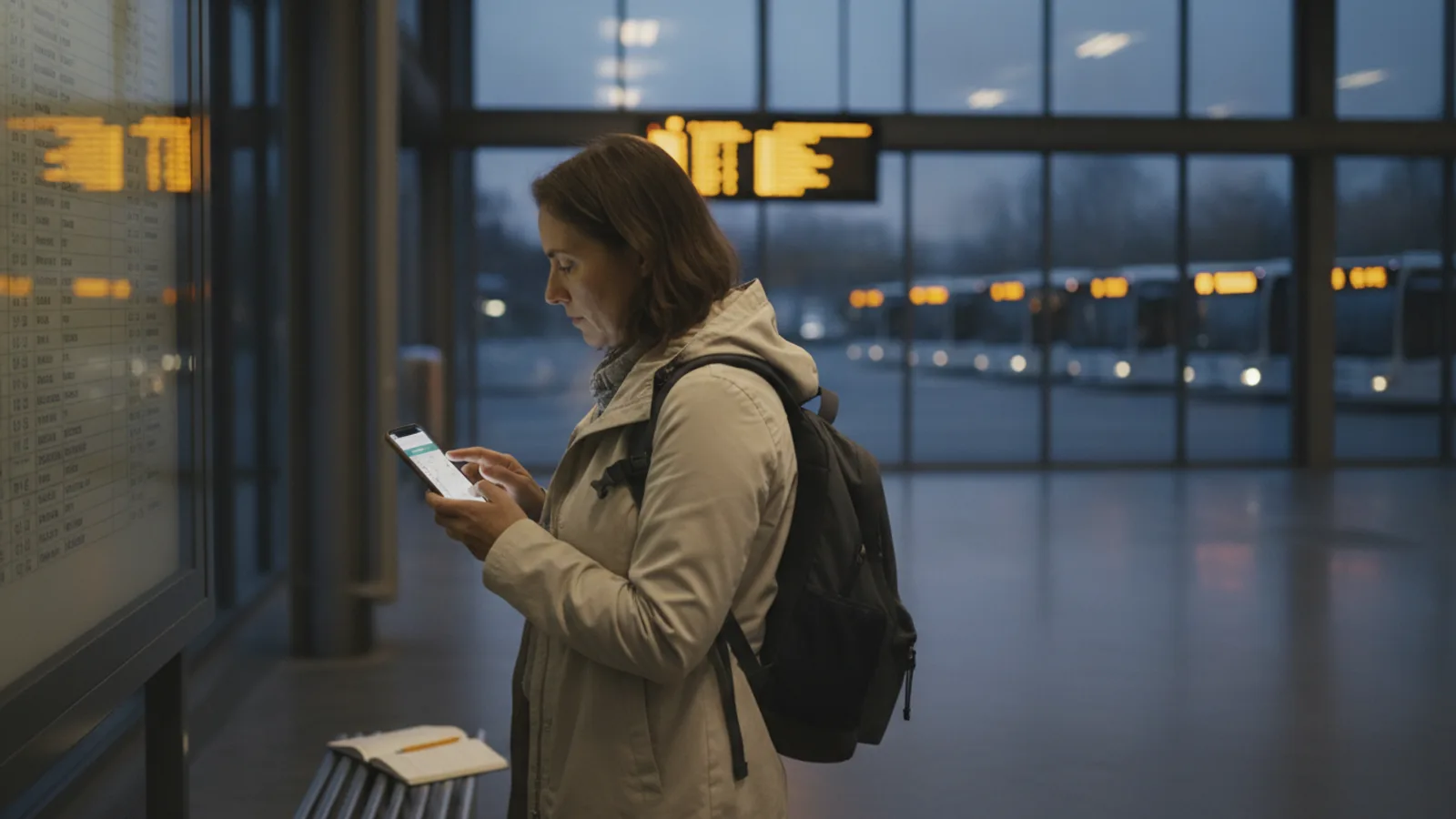
Open your phone contacts and create a new entry called 'Local Emergency' with the city's emergency number. Add a second entry for your lodging under a clear name like 'Hotel Front Desk' or 'Apartment Host'. Add a third entry for your home contact with a label like 'Home Contact'. Turn off any auto-delete or cleanup settings that might remove old contacts. If your phone supports it, add these same numbers to a favorites or emergency list so they appear on your lock screen. Why this matters: in a stressful moment, you will not want to search through emails or screenshots. A clearly named contact saves seconds, and seconds can matter when you are asking for help or checking on someone you love.
Share a simple trip plan
Send one person at home a short message with your flight or train details, the name and address of your lodging, and a rough daily plan. Include the phone number you will use and the best times to reach you. Agree on a simple check-in, such as a text each morning or evening. If you plan to be offline for a day, say so in advance. Keep the plan short so it is easy to read. Why this matters: if something changes, your contact can help you or raise a concern. A simple plan also helps you notice if you have not checked in and gives you a reason to pause and confirm you are safe. This is not about fear; it is about a clear line of communication.
Prepare your ID and copies
Make two photocopies or clear photos of your passport or ID photo page. Keep one copy in a separate bag from the original, and leave one copy with your home contact. If you carry a health coverage card, copy that too. Store the digital copies in a folder on your phone and in a secure online folder that you can open from any device. Do not keep all copies in the same place. Why this matters: if your original is lost or taken, a copy helps you report it, prove who you are, and get help faster. It also gives you a fallback when a hotel or official asks for identification and you need to explain your situation without panic.
Check your health and coverage details
Before you leave, log in to your health coverage account or call the number on your card. Ask what to do in an emergency abroad, how to find a clinic, and what phone number to call for help. Write down any policy or reference numbers and the direct help line. Save that number in your phone under 'Health Help'. Also note any allergies, medicines, and your doctor's contact in a note on your phone. Why this matters: coverage rules and phone numbers change, and you need to know your own plan. Checking ahead means you will not waste time guessing when you feel unwell or need advice, and you can follow the exact steps your provider expects.
Do a final check and practice
The night before you travel, lay out your paper card, your phone, and your ID copies. Read the card out loud once to make sure the address and numbers are correct. Check that your phone contacts are saved and that your home contact knows your plan. Practice saying the local emergency number and your lodging address in a calm voice. If you are traveling with others, show them where the card is and how to find the numbers on your phone. Why this matters: a quick practice run turns a list into a habit. When you are tired or worried, you will fall back on what you practiced, and you will be able to ask for help clearly instead of searching for basic information.
Quick Reference
| Situation | Action | Why it helps |
|---|---|---|
| You lose your phone or its battery dies while you are out. | Use your paper contact card to show your lodging address to a driver, call your home contact from a public phone or ask a staff member at a nearby business to help you make a call, then return to your lodging and ask the front desk to help you contact your home contact. | A paper card does not need power or a signal, and your lodging staff can often call locally or help you reach someone, so you are not left without a way to get back or check in. |
| You feel unwell and are not sure where to get help. | Call the health help number you saved before your trip, explain your symptoms and location, and follow their instructions; if your symptoms feel severe or you cannot reach them, call the local emergency number and give your lodging address from your card. | Your coverage provider can direct you to the right clinic and tell you what to do next, while the local emergency number is for urgent danger, so you get the correct level of help without guessing. |
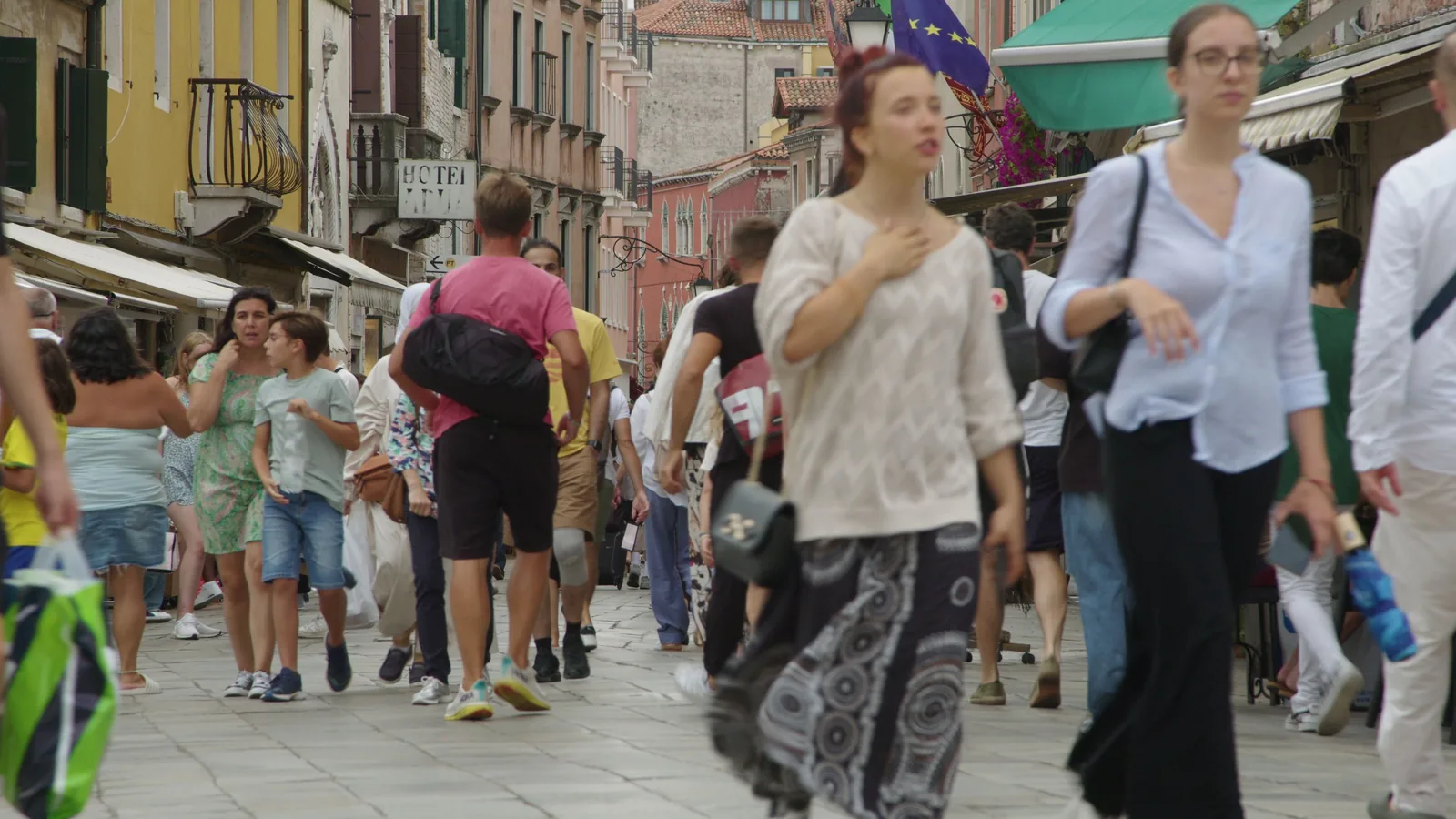
| You are separated from your travel companion in a crowd. | Stay where you are for two minutes, then move to a well-lit, busy spot nearby; call or message your companion using the number saved in your phone, and if you cannot reach them, go to your lodging and wait in the lobby or at the front desk. | A fixed meeting point and a clear fallback reduce panic and make it easier to reconnect, because both of you know where to go and can check in with staff who may have seen the other person. |
Common Issues
- Your phone will not connect to a local network.: Turn your phone off and on, then check your settings for a manual network selection and choose an available network. If that fails, ask your lodging front desk for the local Wi-Fi password and use a messaging app to contact your home contact. Confirm your roaming settings in your account before you travel so you know what to expect.
- You cannot find your ID copy when you need it.: Keep a digital copy in a secure online folder you can open from any device, and ask your home contact to send a photo of their copy to you. Do not keep the only copy in the same bag as your original. If you need to report a loss, ask your lodging staff or local authorities for the correct steps and use your digital copy to help explain your identity.
- You forgot to save the local emergency number.: Ask your lodging front desk or a nearby staff member for the local emergency number and write it on your paper card immediately. Save it in your phone under a clear name. Do not rely on a number from a previous trip, because emergency numbers can differ by city. Confirm the number with an official local source or your lodging before you need it.
Advanced Tips
- Create a small 'go bag' for day trips with a paper card, a spare phone battery or charger, a small amount of local cash, and a written list of your medicines and allergies.
- Set up a daily check-in message with a single word like 'ok' so your home contact can tell at a glance that you are fine, and agree on what they should do if you miss two check-ins.
- Keep a photo of your lodging's front door and street sign on your phone so you can show a driver exactly where to stop, even if the address is hard to pronounce.
Final Checklist
- Paper contact card with lodging address, local emergency number, your phone number, and one home contact, kept in your wallet.
- Phone contacts saved under clear names: Local Emergency, Lodging Front Desk, Home Contact, and Health Help.
- Copies of your passport or ID photo page stored separately from the original and shared with a trusted person at home.
- A shared trip plan with your lodging details, daily check-in time, and the best way to reach you.
FAQ
What should I do first if I lose my phone abroad?
Stay calm and use your paper contact card to show your lodging address to a driver or ask a staff member at a nearby business for help making a call. Return to your lodging and ask the front desk to help you contact your home contact and your phone provider. Do not try to solve everything at once; get back to a safe, known place first, then work through the next steps with help.
How do I find the local emergency number for my city?
Ask your lodging front desk or a staff member at a nearby business when you arrive, and confirm the number with an official local source such as a police station or visitor center. Write it on your paper card and save it in your phone. Do not assume it is the same as your home country, because emergency numbers vary by location and you need the correct one before an emergency happens.
Do I really need paper copies if I have digital copies?
Yes, because phones can lose power, break, or lose signal, and a paper card or copy still works when you need it most. Keep a paper card in your wallet and a paper copy of your ID photo page in a separate bag from the original. Digital copies are useful as a backup, but they should not be your only plan when you are in a new city and need help quickly.