City Break Accessible Toilet Planning
A practical step-by-step guide to city break accessible toilet planning, including preparation, instructions, common issues, tips, and next steps.

City Break Accessible Toilet Planning
Planning a city break around reliable accessible toilets reduces stress and helps you enjoy the trip. This guide shows how to research, prepare, and navigate public facilities using clear steps, practical checks, and backup plans so you can focus on the experience rather than searching.
Fast Answer
- Start by listing the places you plan to visit and note likely toilet stops such as museums, libraries, major transit stations, and large stores.
- Always carry a small emergency kit with wipes, hand sanitizer, and a portable urinal or absorbent pad if needed, and keep a backup plan in mind.
Before You Start
- Create a simple one-page document listing your daily route with at least three accessible toilet options per half-day segment.
- Check each venue’s website or call ahead to ask about accessible toilet features such as door width, grab bars, and turning space.
- Charge your phone and download offline maps of the city so you can find facilities without relying on a signal.
- Pack a small kit with disposable gloves, sanitizing wipes, a spare change of underwear, and any personal care items you may need.
Step-by-Step Instructions
Map your route with toilet stops
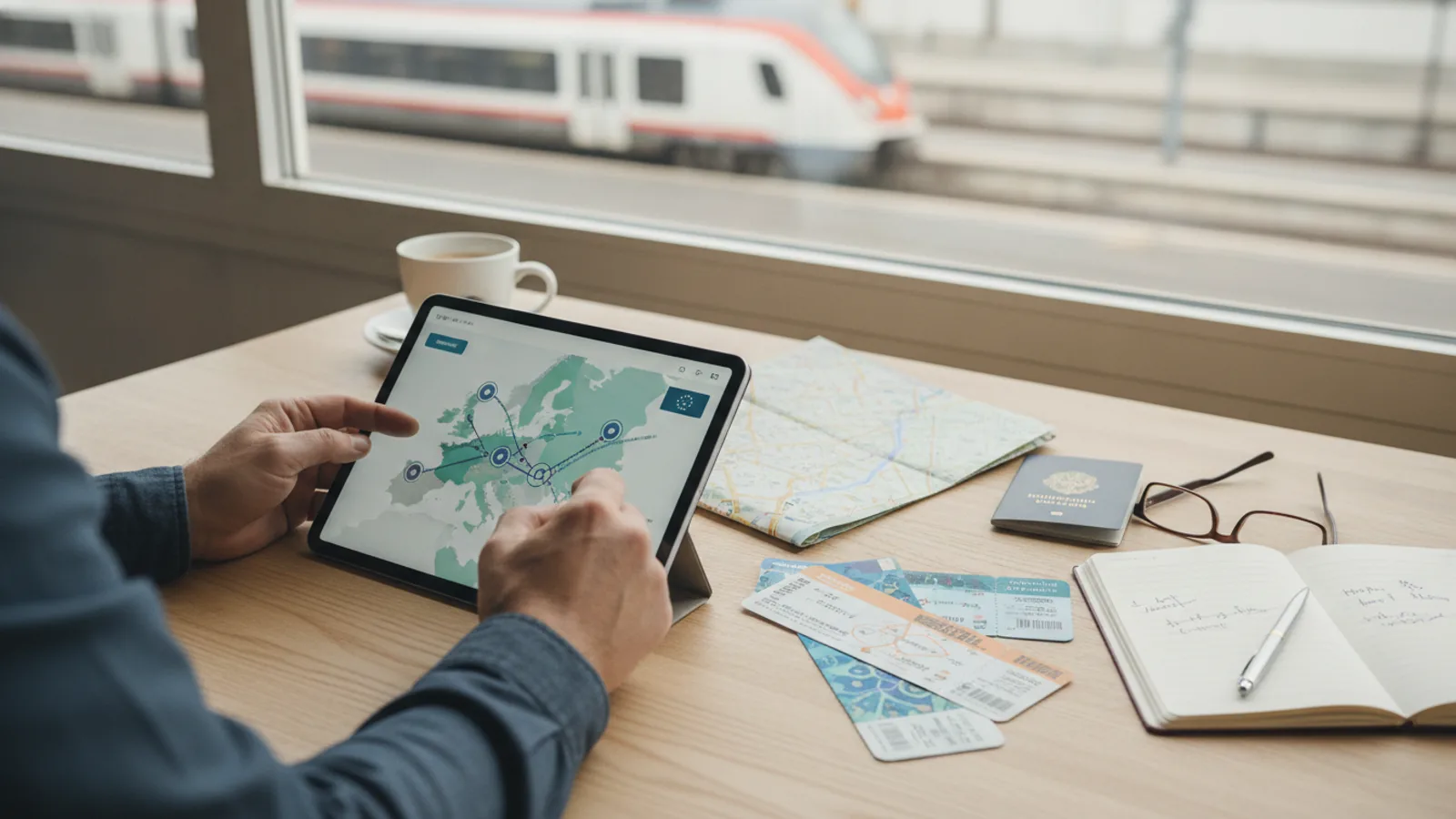
Before you leave for the day, open a map and mark every place you plan to visit. Then look for nearby public toilets, libraries, museums, department stores, and large transit stations. Aim for at least three accessible options per half-day. Write them down in order along your route. This matters because knowing where you can go reduces anxiety and saves time. When you mark each spot, check the opening hours and note whether the toilet is inside a building that requires a ticket or a purchase. Some places may close for lunch or have shorter weekend hours. Also, look for recent reviews that mention accessibility. If you cannot confirm details online, call the venue and ask specific questions about door width, grab bars, and whether the toilet is on the same floor as the entrance. Having this information ready means you can move through your day with confidence and make quick decisions if a planned stop is unavailable.
Verify accessibility features ahead
Accessibility can mean different things at different venues. Before you rely on a toilet, check for key features: a door that is wide enough for your mobility aid, grab bars beside the toilet, enough space to turn a wheelchair, and a sink that you can reach. You can often find this information on a venue’s website under accessibility or facilities. If it is not listed, call and ask. Be specific: for example, ask if the accessible toilet is step-free and if there is a hoist or a changing bench if you need one. Write down the answers. This check matters because a toilet that is labeled accessible may still have barriers like a heavy door or a narrow stall. If you cannot verify ahead, plan to arrive early and check the facility before you need it. If it does not work for you, use your backup list. Taking a few minutes to confirm saves frustration later and helps you avoid uncomfortable situations.
Build a personal emergency kit
Even with good planning, delays or unexpected closures can happen. A small emergency kit can help you manage if you cannot reach a suitable toilet quickly. Pack a small bag with disposable gloves, sanitizing wipes, a portable urinal or absorbent pads if you use them, a spare pair of underwear, and any personal care items you might need. Keep this kit in your day bag or wheelchair pouch. Check it before each trip to make sure nothing is missing or expired. This step matters because being prepared reduces stress and gives you more control. You do not need to carry a large bag; a small pouch is enough. Also, think about clothing that is easy to manage in a small space, such as elastic waistbands or skirts. If you use a catheter or other medical device, include extra supplies and a small disposal bag. Having your kit ready means you can handle a minor emergency without interrupting your day.
Use transit hubs and large venues
When you are out and about, major transit stations, large museums, central libraries, and big department stores are often the most reliable places to find accessible toilets. They tend to have longer opening hours, staff on site, and regular cleaning. As you move through the city, plan your route to pass by these hubs. If you need a toilet, head to the nearest one on your list. When you arrive, look for signs or ask a staff member for directions. Check the toilet before you commit if you can. This step matters because these venues are used to visitors and usually have better-maintained facilities. However, they can also be busy, so try to visit outside peak times if possible. If a toilet is occupied or out of service, ask a staff member if there is another one nearby. They may know about a hidden accessible toilet that is not on public maps. Always thank them and note the location for future trips.
Have a backup plan for closures
Toilets can be closed for cleaning, repairs, or events. When this happens, you need a backup plan. Before you leave for the day, identify at least two alternative accessible toilets near each main stop on your route. These can be in different buildings or a short walk away. If you arrive at a toilet and find it unavailable, do not panic. Check your list and move to the next option. If you are unsure, ask a staff member or a local. This step matters because it keeps you from being stuck and helps you stay calm. Also, consider using a toilet when you see a good one, even if you do not feel an urgent need. This can prevent problems later. If you use a mapping app, you can search for nearby toilets, but remember that app data may be outdated. Always confirm by looking for signs or asking someone. With a backup plan, you can adapt quickly and continue enjoying your day.
Communicate needs and stay calm
If you need help finding or using an accessible toilet, it is okay to ask. Staff at hotels, cafes, and visitor centers are often willing to assist. Be clear about what you need, such as a key, directions, or a companion to help. If you are traveling with someone, agree on a plan for what to do if you get separated. This step matters because clear communication reduces misunderstandings and gets you support faster. If you feel anxious, take a few deep breaths and focus on your next action. Remember that you have prepared and you have options. If a facility is not suitable, you can leave and try another. Do not feel pressured to use a toilet that does not meet your needs. Your comfort and safety come first. After you find a good toilet, note its location and any details that made it work well, so you can use it again on future trips.
Quick Reference
| Situation | Action | Why it helps |
|---|---|---|
| You are in an unfamiliar area and need a toilet soon. | Head to the nearest large transit station, museum, or department store on your list, and ask a staff member for the accessible toilet location. | These venues usually have well-maintained accessible facilities and staff who can direct you quickly, reducing time spent searching. |
| The accessible toilet you planned to use is locked or out of service. | Check your backup list for the next closest option, and if none is nearby, ask a staff member if another accessible toilet exists in the building or complex. | Having a backup plan prevents delays and stress, and staff may know about facilities not shown on public maps. |
| You are unsure whether a toilet will meet your specific needs. | Call the venue ahead of time and ask about door width, grab bars, turning space, and any features like a hoist or changing bench, then write down the answers. | Verifying details in advance helps you avoid arriving at a facility that does not work for you, saving time and discomfort. |
Common Issues
- Online maps or reviews show a toilet that no longer exists or is not accessible.: Always verify by calling the venue or checking recent reviews from the past few months. If you cannot confirm, treat that toilet as a last resort and rely on your backup list instead.
- You need a radar key or special access to use a public toilet.: Research whether the city uses a universal access key scheme, and if so, find out where to get one before you travel. You can also ask at tourist information centers or your hotel for assistance.
- You feel anxious about finding a toilet in time and it affects your enjoyment.: Plan shorter outings with more frequent toilet stops, and carry your emergency kit. Practice using public toilets in your home city to build confidence, and remind yourself that you have backup options.
Advanced Tips
- Create a digital note with links to venue accessibility pages and save it offline for quick access without a signal.
- Use a small portable bidet or peri bottle to make cleaning easier in toilets that lack a bidet or have limited space.
- Join online forums or social media groups for travelers with disabilities to get up-to-date tips on accessible toilets in your destination city.
Final Checklist
- I have a written list of at least three accessible toilet options for each part of my daily route.
- My emergency kit is packed and includes gloves, wipes, spare underwear, and any personal care items.
- My phone is charged, and I have offline maps or a paper map as a backup.
- I have identified at least two backup toilets near each main stop and know how to ask for help if needed.
FAQ
How do I find accessible toilets in a new city?
Start by checking the websites of major venues like museums, libraries, and transit stations. Call ahead to confirm features. Use mapping apps but verify with recent reviews. Ask staff at hotels or visitor centers for local knowledge. Always have a backup list and carry an emergency kit.
What should I do if an accessible toilet is locked?
First, look for a staff member or call the venue’s main number. Sometimes a key is needed. If the toilet is truly unavailable, move to your next backup option. If you cannot find one nearby, ask a staff member for help or use a toilet in a large store or cafe. Stay calm and use your plan.
How can I reduce anxiety about toilet access during a city break?
Plan your route with multiple toilet stops, carry an emergency kit, and practice using public toilets before your trip. Remind yourself that you have backups. If anxiety is high, take shorter outings and build in rest breaks. Consider traveling with a companion if that helps you feel more secure.