Autumn City Break Packing
A practical step-by-step guide to autumn city break packing, including preparation, instructions, common issues, tips, and next steps.

Autumn City Break Packing
A calm, practical guide to packing for an autumn city break. Learn how to layer for changing weather, choose comfortable shoes, organize a compact bag, and avoid common packing mistakes so you can enjoy your trip without overpacking.
Fast Answer
- Pack layers, not bulk: bring a base layer, a mid layer, and a waterproof outer shell that you can add or remove as the day warms and cools.
- Choose two pairs of broken-in shoes and one versatile bag, then check the local forecast a few days before you leave to adjust your final list.
Before You Start
- Check the weather forecast for your destination during your travel dates and note the range of high and low temperatures, plus the chance of rain.
- Review your airline's carry-on size and weight limits on your booking confirmation, because autumn layers can add bulk quickly.
- Lay out everything you plan to take on a bed or floor, then remove at least three items you are unlikely to wear.
- Test your luggage by packing it fully, walking a short distance, and lifting it overhead to confirm you can manage it comfortably.
Step-by-Step Instructions
Start with a weather reality check
Before you pack anything, open a reliable weather source and look at the daily high and low temperatures for your destination across your entire trip. Write down the range and the chance of rain for each day. This simple step prevents the common mistake of packing for the season you imagine instead of the season you will actually get. Autumn in one city can mean crisp, dry afternoons, while another city at the same time may be damp and windy. As a practical check, compare the forecast low to the warmest layer you own. If the low is much colder than that layer can handle, you need a warmer mid layer or an extra base layer. Do this check before you choose any clothing, because every other packing decision depends on it. Knowing the numbers also helps you decide whether to bring an umbrella, a hat, or gloves, and it stops you from overpacking heavy items you will never wear.
Build your clothing around three layers
The most reliable autumn travel wardrobe uses three layers: a base layer that sits against your skin, a mid layer that traps warmth, and an outer layer that blocks wind and rain. Choose two or three base layers made of materials that wick moisture, because cotton stays damp and chills you when you slow down. For the mid layer, pick a light sweater or fleece that fits under your outer layer without feeling tight. The outer layer should be a waterproof and windproof shell that you can roll up small when the sun comes out. As a practical check, put on all three layers together and move your arms in a full circle. If you feel restricted or overheated, swap one piece for a thinner version. This check matters because you will be wearing these layers while walking, sitting, and climbing stairs, and comfort depends on free movement. Pack each layer in a color that matches the others so you can mix and match without thinking.
Select shoes for walking, not fashion
City breaks involve far more walking than most people expect, often on hard pavement and uneven cobblestones. Bring two pairs of shoes that you have already broken in: one pair for dry days and one pair that can handle rain. Avoid brand-new shoes, because blisters can ruin a trip faster than bad weather. As a practical check, wear each pair around your home for an hour and pay attention to any rubbing at the heel or toes. If you feel a hot spot, either return the shoes or plan to use a blister patch. This check matters because once you are far from your room, sore feet limit how much you can see and enjoy. Pack shoes that are lightweight and pack flat, and stuff them with socks or small items to save space. Also bring a few blister patches and a small amount of foot powder, which weigh almost nothing but can save a long day of walking.
Pack a compact day bag and essentials
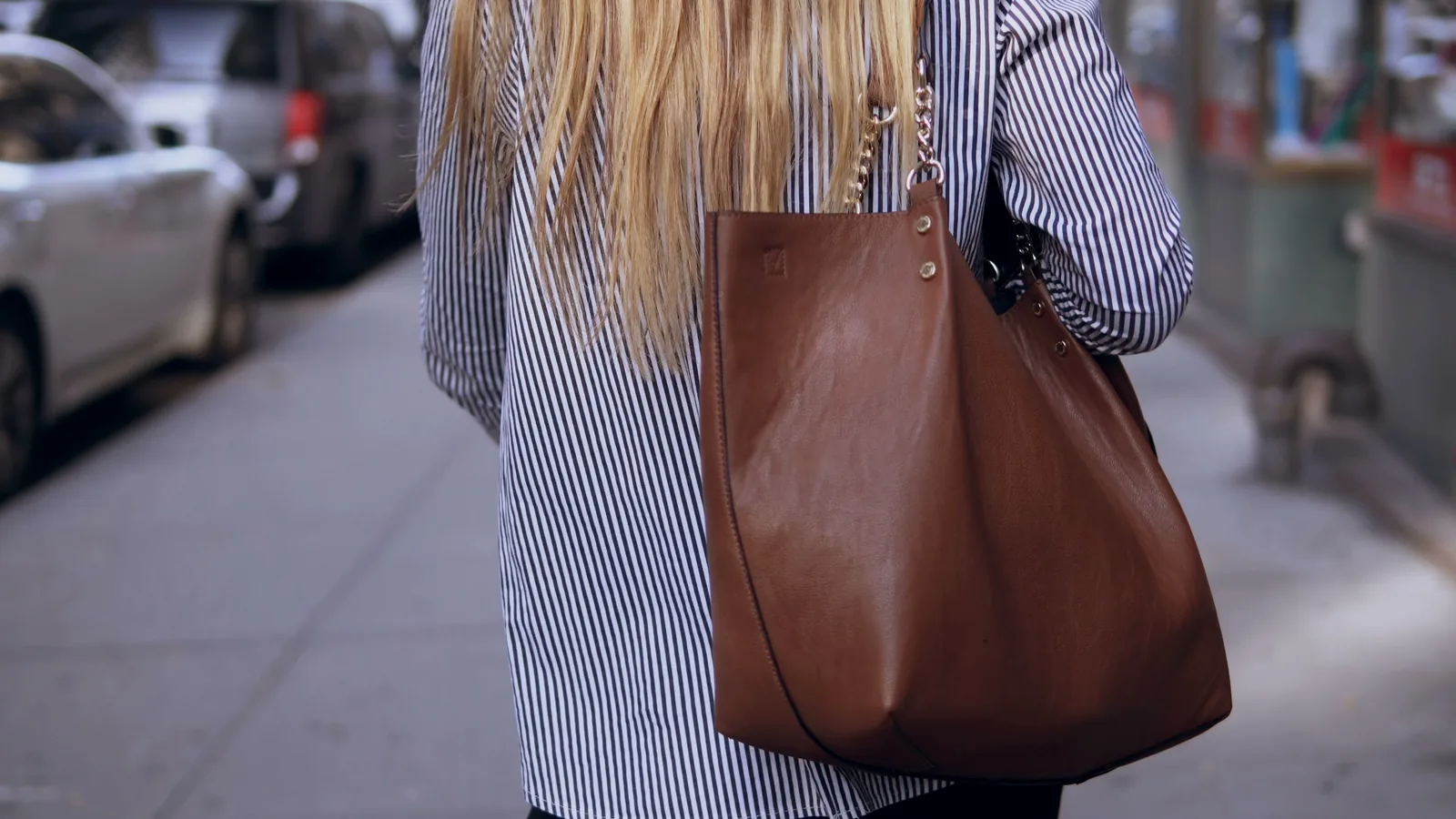
You will need a small day bag for exploring the city, separate from your main luggage. Choose a bag that closes securely, sits comfortably on your shoulder or back, and holds only what you need for a few hours. Inside it, keep a reusable water bottle, a compact umbrella, a portable charger for your phone, and a small pouch with tissues and hand sanitizer. As a practical check, load the day bag with everything you plan to carry and walk around your block for ten minutes. If it feels heavy or swings awkwardly, remove items or adjust the straps. This check matters because you will carry this bag for hours at a time, and a poorly balanced bag causes neck and shoulder pain. Keep your day bag organized with a few small pouches so you can find your transit card or map without emptying the whole bag on a busy street. Before your trip, practice packing it quickly so it becomes a habit.
Roll, fold, and compress your clothes
How you pack matters as much as what you pack. Rolling soft items like t-shirts and leggings saves space and reduces wrinkles. Fold structured items like collared shirts or dresses in half and place them flat at the bottom of the bag. Use packing cubes or simple stuff sacks to group similar items, such as all base layers in one cube and all socks in another. As a practical check, after packing your bag, pick it up and shake it gently. If you hear items sliding around, you have empty gaps that waste space. Fill those gaps with small items like socks or chargers. This check matters because a loosely packed bag shifts weight while you walk, which strains your back and makes the bag harder to carry. Also place heavier items near the bottom of the bag, close to your back, so the weight sits against your hips rather than pulling you backward. A well-packed bag feels stable and balanced.
Do a final check the night before
The night before you leave, lay out everything you plan to pack and compare it against your written list. Check the weather forecast one last time and remove any item that no longer fits the conditions. Confirm that your travel documents, keys, and phone charger are in your day bag, not buried in your main luggage. As a practical check, close your main bag and lift it above your head for five seconds. If you struggle, remove items until you can do it comfortably. This check matters because you will lift your bag into overhead bins, onto trains, and up stairs, and you need to manage it alone. Also weigh your bag if you have a scale, and compare it to the limit on your booking confirmation. Finally, set out your travel outfit for the morning so you can dress quickly and leave without stress. A calm departure starts with a calm final check.
Quick Reference
| Situation | Action | Why it helps |
|---|---|---|
| You wake up to colder weather than expected. | Add your mid layer under your outer shell and put on a hat and gloves before you leave your room. | Layering early traps your body heat and prevents you from spending the first hour of your day shivering and uncomfortable. |
| Rain starts while you are walking between sights. | Open your compact umbrella and switch to your waterproof shoes if you carried them, or step into a shop or cafe until the worst passes. | Staying dry keeps your core temperature stable and prevents wet feet, which can lead to blisters and a shortened day. |
| Your feet begin to ache after several hours of walking. | Sit down, remove your shoes and socks, dry your feet, and apply a blister patch to any hot spot before putting on your second pair of shoes. | Addressing a hot spot immediately stops it from becoming a painful blister that could limit your walking for the rest of the trip. |
Common Issues
- You packed too many heavy layers and your bag is difficult to carry.: Remove one mid layer and one pair of shoes, then wear your heaviest items on travel day. Repack using the lift test: if you cannot raise the bag overhead for five seconds, it is too heavy. A lighter bag makes every train, bus, and staircase easier.
- Your clothes feel damp and cold after a rainy afternoon.: Change into dry base layers as soon as you return to your room. Hang wet clothes near a radiator or use a hair dryer on a low setting. Never put damp clothes back in your bag, because they will make everything else smell and stay wet.
- You forgot an essential item like a charger or blister patches.: Visit a local pharmacy or convenience store, which usually stock basic travel items. If you cannot find what you need, ask at your accommodation desk for directions. For next time, keep a small emergency pouch with these items already packed in your luggage.
Advanced Tips
- Use a scarf as a multi-purpose item: it can warm your neck, cover your head in light rain, or act as a small blanket on a cold train or bus.
- Pack a thin, foldable tote bag that compresses into a pocket. It adds almost no weight but gives you extra space for souvenirs or groceries without needing a second bag.
- Choose socks made of wool or synthetic blends rather than cotton. They stay warm when damp and dry faster overnight, which means you can pack fewer pairs and still keep your feet comfortable.
Final Checklist
- Check the weather forecast for your destination one last time and adjust your layers accordingly.
- Confirm that your main bag passes the overhead lift test and meets the size and weight limits on your booking.
- Place travel documents, keys, phone, charger, and any medication in your day bag, not in your main luggage.
- Lay out your travel-day outfit, including comfortable shoes, so you can dress quickly and leave without stress.
FAQ
How many outfits should I pack for a three-day autumn city break?
For a three-day trip, pack two base layers, two mid layers, one outer shell, two pairs of trousers, and three pairs of socks and underwear. This gives you enough to wear one set while another dries or rests. Choose colors that match each other so you can mix and match without thinking. You can always hand-wash a base layer in a sink and hang it to dry overnight, which means you never need more than three days of clothing for any trip length.
Do I really need a waterproof jacket, or is an umbrella enough?
A waterproof jacket is more reliable than an umbrella in autumn city breaks because wind can turn rain sideways and make an umbrella useless. A jacket also keeps your arms and shoulders dry while you walk and leaves your hands free for a phone or map. Look for a jacket that packs small and has a hood. If you prefer an umbrella, bring a compact one as a backup, but do not rely on it alone for a full day of sightseeing in changeable weather.
What should I wear on travel day to save space in my bag?
Wear your heaviest and bulkiest items on travel day, such as your outer shell, a mid layer, and your heaviest pair of shoes. This frees up space in your bag and keeps you warm on cold planes, trains, or buses. Choose comfortable clothing that you can easily remove and tie around your waist if you get warm. Avoid wearing anything that restricts movement or requires special care, because travel days often involve sitting for long periods and lifting luggage.